
 Rev Michael Youssef from Atlanta broadcasts Arabic Christian TV programs to the Arab World on two transponders, namely Hotbird and Nilesat. The channel is called Al Malakoot (the Kingdom) in Arabic. More information on where this channel and many other Arabic Christians channels can be viewed, can be found HERE
Tuesday, June 15, 2010
Rev Michael Youssef broadcasting on TV in Arab World
Rev Michael Youssef from Atlanta broadcasts Arabic Christian TV programs to the Arab World on two transponders, namely Hotbird and Nilesat. The channel is called Al Malakoot (the Kingdom) in Arabic. More information on where this channel and many other Arabic Christians channels can be viewed, can be found HERE

Thursday, June 10, 2010
Islamic Republic of Sudan

Egyptian government tries to force Church to change its ethics
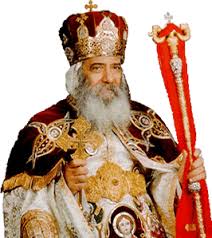
The Coptic Orthodox Church in Egypt says there is no power on earth that can force it to violate the teachings of the Gospel. This was affirmed in a communiqué responding to an Egyptian High Court ruling that the Church must grant permission to divorced people to marry again.
Egypt only recognizes civil marriage when it is accompanied by a religious marriage. The Coptic Orthodox Church is continuing with legal appeals to the May 29 decision, according to Bishop Armiya, secretary of Orthodox Pope Shenuda III. The May decision rejected an appeal already presented by the leader of the Coptic Church and reaffirmed a lower court ruling.
The case at hand has been brought to the courts by Hani Wasfi Naguib, a divorced man who wants to re-marry. "There is no force on earth that can oblige the Church to violate the teachings of the Gospel and the laws of the Church based on 'what God has joined together let no man put asunder,'" the communiqué affirmed. MORE HERE
Egypt only recognizes civil marriage when it is accompanied by a religious marriage. The Coptic Orthodox Church is continuing with legal appeals to the May 29 decision, according to Bishop Armiya, secretary of Orthodox Pope Shenuda III. The May decision rejected an appeal already presented by the leader of the Coptic Church and reaffirmed a lower court ruling.
The case at hand has been brought to the courts by Hani Wasfi Naguib, a divorced man who wants to re-marry. "There is no force on earth that can oblige the Church to violate the teachings of the Gospel and the laws of the Church based on 'what God has joined together let no man put asunder,'" the communiqué affirmed. MORE HERE
Monday, June 7, 2010
Roman Catholic Bishops Deplore Mideast Christians’ Plight

Friday, June 4, 2010
Egypt in trouble over Gaza blockade

Sunday, May 30, 2010
Next drought in Africa can lead to war over Nile waters

Bangladeah blocks facebook over blasphemy
Bangladesh says it has blocked the popular social networking website Facebook over a page that urges people to draw images of Islam's prophet Muhammad. Chief telecommunication regulator Zia Ahmed said Sunday that access to the site has been temporarily blocked because it was publishing caricatures that may hurt the religious sentiments of people in the Muslim-majority nation.
Thousands of Muslims protested in Dhaka last week against what they called the website's "blasphemous content" because of a page called "Everybody Draw Mohammed Day" that encouraged users to post images of the prophet.
Pakistan earlier blocked Facebook over the same page.
Thousands of Muslims protested in Dhaka last week against what they called the website's "blasphemous content" because of a page called "Everybody Draw Mohammed Day" that encouraged users to post images of the prophet.
Pakistan earlier blocked Facebook over the same page.
Subscribe to:
Posts (Atom)

